Online Scratch Cards

What Online Scratch Cards Actually Are
Online scratch cards are the digital cousin of the ticket you'd buy at a corner store, rebuilt as a casino game you can play from a browser or an app. You pick a card, place a stake, and the game reveals a grid of symbols. Match the right combination and you get paid out according to a fixed paytable. Miss, and the stake is gone. That's the whole loop, and it repeats in a few seconds.
The appeal is speed. There's no dealer, no spinning reels building suspense, no hand of cards to read. You click once, the result is there, and you decide whether to go again. For players who want a quick break between slot sessions or just don't want to think about strategy, that simplicity is the draw.
How the Instant-Win Mechanic Works
Nothing is literally being scraped off a screen. In most implementations, the "scratching" is an animation layered on top of a result the game's random number generator has already determined, typically the instant you placed your bet, though the exact timing can vary by provider. Clicking or dragging across the card just reveals symbols that were locked in before the reveal started. It's the same principle behind a slot's spinning reels. The outcome exists first, and the animation tells the story afterward.
That matters because a scratch card behaves statistically like any other fixed-odds casino game, with one key difference: the outcome of each play is independent, not bound by any finite pool of winning tickets that could theoretically run out. Each play is an independent event. The RNG doesn't remember your last ten tickets, and it isn't "due" to give you a win because of a cold streak. That's the part newer players get wrong most often.
Common Formats You'll Run Into
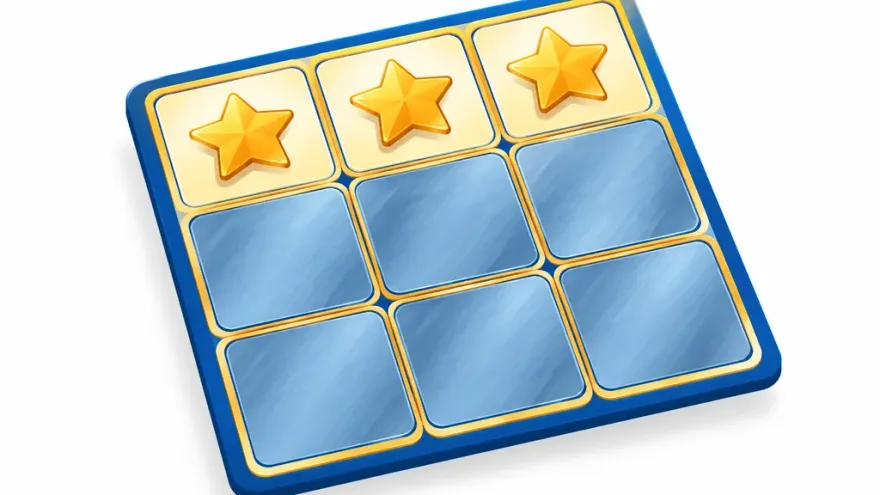
The classic layout is a 9-panel grid, usually three rows of three, where matching three identical symbols on a row or across the whole card triggers a payout. Beyond that, providers get creative. Some scratch games stack several mini-cards into one session, so a single stake buys you three or four reveals instead of one. Others wrap the mechanic in a theme, pirate treasure, candy, holiday motifs, with bonus panels that trigger a small pick-and-win round if you land a scatter-style symbol.
Providers have released a large and growing number of themed variants across studios, and the exact count keeps shifting as new titles launch and old ones get retired, so treat any precise number you see elsewhere with some skepticism. What's consistent is the structure. Each game has a grid, a paytable, and a result already decided before you touch anything.
Odds, RTP, and What They Actually Mean
Return to player, or RTP, is the long-run percentage of money a game is designed to pay back to players over a very large number of rounds. It's a theoretical average that says nothing certain about your next session, and it varies from title to title and from provider to provider. Most legitimate scratch card games publish their RTP in the in-game info screen or paytable, usually one tap from the main play button. Can't find that number anywhere on a game? That's a reasonable signal to look elsewhere.
Volatility is the other half of the picture, and it gets less attention than it deserves. A low-volatility scratch card tends to pay smaller amounts more often, while a high-volatility one pays rarely but can hit a bigger multiplier when it does. Neither is "better" in any objective sense. It's closer to picking between a lot of small conversations and one big one, and which you want depends on your bankroll that session.
How to Pick Where to Play
Licensing is the first, non-negotiable filter. Requirements vary by regulator, but a casino regulated by a recognized authority—such as the UK Gambling Commission or Malta Gaming Authority—is typically subject to baseline oversight that can include fund segregation and game fairness testing, depending on that regulator's rules. Check the footer or the about page for the licence, then look up what that specific regulator actually requires before assuming it covers you. After that, look for published RTP figures on the actual games you're considering. A vague "up to 98%" banner on the homepage typically describes only the single best-performing title in the lobby, which may have little to do with the game you're about to play.
Provider reputation matters more in scratch cards than people expect, because the format is simple enough that quality differences show up in small things. These differences include how fair the bonus round feels, how transparent the paytable is, and how often the game loads without a hiccup. Games that have been audited by independent testing labs such as eCOGRA or iTech Labs offer extra reassurance around fairness and RNG integrity. If a studio behind a scratch title also makes real money slots you already trust, that's a decent proxy for whether their scratch catalog is worth your time too.
Bonuses and Wagering: Read the Fine Print
The same caution applies to the wagering multiple itself. As a hypothetical example, a 35x requirement on a $20 bonus would mean clearing $700 in qualifying wagers, and if scratch cards contributed at only 10% toward that figure, that would come to $7,000 in scratch card turnover to finish it. That's not a reason to avoid scratch bonuses outright, just a reason to do the arithmetic first using that specific casino's own numbers.
Welcome offers and reload bonuses almost always come with wagering requirements, and the contribution rate for scratch cards toward clearing that wagering is operator-specific. Some casinos count scratch card stakes at the same rate as slots. Others cut the contribution to a fraction of that, or exclude the category from bonus play entirely, on the logic that scratch games can carry a lower house edge or faster round pace than typical slots. There isn't a universal rule here, so the only reliable move is to open the bonus terms page and search for "scratch" before spinning through a bonus balance on a game that might not even count toward it.




Playing Scratch Cards on Mobile
Scratch cards translate to a phone screen better than almost any other casino game category, mostly because the core interaction, a tap or a short drag, was never built around a mouse in the first place. Most modern titles run on HTML5 and load directly in a mobile browser without an app download, though a handful of casinos also wrap their lobby in a dedicated app if you'd rather have an icon on your home screen.
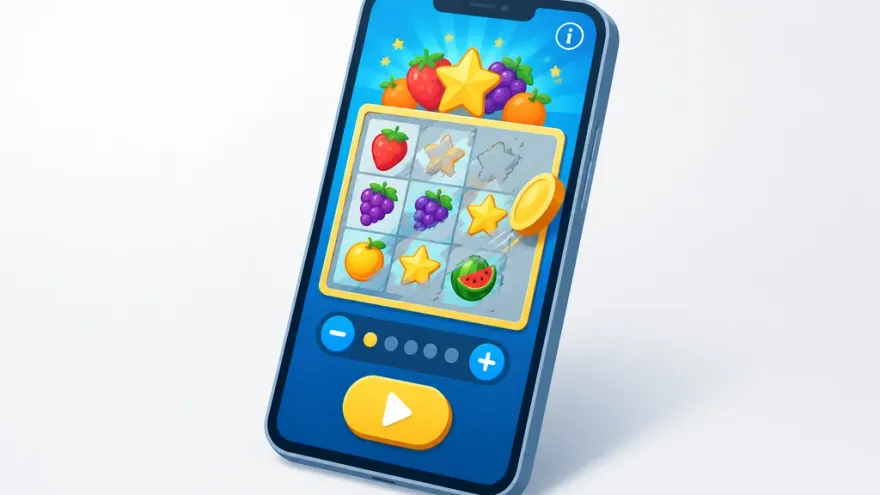
Screen size is the only real tradeoff. A 9-panel grid that reads easily on a desktop monitor can feel cramped on a smaller phone. The best mobile scratch cards scale their symbols for readability, keeping the layout intact across screen sizes. Connection speed matters too, since a slow reveal animation on mobile data can make an instant game feel a lot less instant. Switching between scratch cards and other formats on the go usually means no extra download either, since the same mobile lobby typically carries both.
One more thing worth knowing before you start. Scratch cards don't ask anything of you strategically. Unlike blackjack or video poker, where your decisions during the round can shift the house edge, a scratch card's outcome is locked the moment you place your bet. It does not require any gaming skills to play well, because there's no "well" to play toward beyond picking a stake size you're comfortable losing and a paytable you understand.
FAQ
Are online scratch cards rigged?
What's the difference between scratch cards and slots?
Can you play scratch cards for free before betting real money?
What's the minimum bet on an online scratch card?
Do casino bonuses apply to scratch card games?
Related Articles

Live Casino

Best Netherlands Online Casinos
Best German Online Casinos